How to Get Your Invention Manufactured
Product Development · July 2026
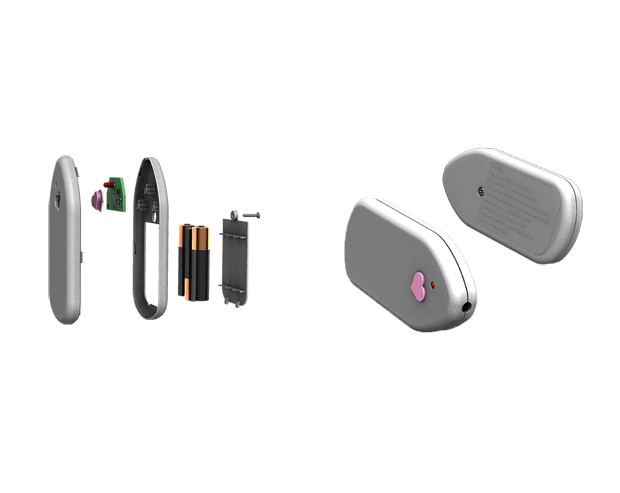
You have a working prototype — maybe even a patent. Now you need ten thousand of them. The road from "it works on my bench" to "pallets are leaving the factory" is where many inventions stall, mostly because the steps are unfamiliar, not because they're impossible. Here's the map.
Step 1: Make the design manufacturable, not just functional
A prototype proves the concept; a production design proves it can be made ten thousand times at a price the market accepts. Design for manufacturing (DFM) is the translation step: draft angles so parts release from molds, wall thicknesses that fill cleanly, tolerances loose everywhere they can be and tight only where they must, and materials chosen for the production process rather than the 3D printer. Skipping DFM is the most expensive mistake in hardware — it surfaces after tooling is paid for.
Step 2: Build the documentation a factory actually needs
Factories quote from documents, not from prototypes. You'll need:
- A complete bill of materials (BOM) — every part, fastener, and finish, with sources.
- Technical drawings with dimensions and tolerances for every custom part.
- PCB fabrication and assembly data (Gerbers, pick-and-place, assembly drawings) if your product has electronics.
- Quality criteria — how the factory should test each unit, and what counts as a reject.
Clean documentation gets you better quotes, too: a factory that has to guess pads its price.
Step 3: Choose where and how it gets made
The right manufacturer depends on your volumes, your product, and your tolerance for logistics. Domestic shops cost more per unit but simplify communication, IP protection, and small first runs; overseas manufacturing wins on unit price at volume but adds freight, minimum order quantities, and time zones. Knowing where to go — and whom to avoid — is half the battle; a bad manufacturing partner can sink a good product.
Step 4: Tooling and the first articles
Production tooling (injection molds, dies, fixtures) is the big capital step. When first articles come off the tool, inspect them against the drawings before approving mass production — this is the last affordable moment to catch problems. Expect a round of tuning; that's normal, not failure.
Step 5: Plan the boring parts — they're where margins live
Assembly sequence, packaging that survives the parcel network, compliance marks (RoHS, FCC), and inbound quality checks. None of it is glamorous; all of it decides whether unit ten thousand is as good as unit one.
Do you need a manufacturing partner or a design partner?
Usually both — and it helps when they're the same people. Launching Ideas takes products through DFM and technical documentation, works with outsource contract manufacturers, and runs cost reduction programs that protect your margins once production is running. If you're staring at a prototype wondering what to do next, that's exactly the conversation we're for: request a free quote.